




Mihidana – The Golden Sweet Delight of Bengal

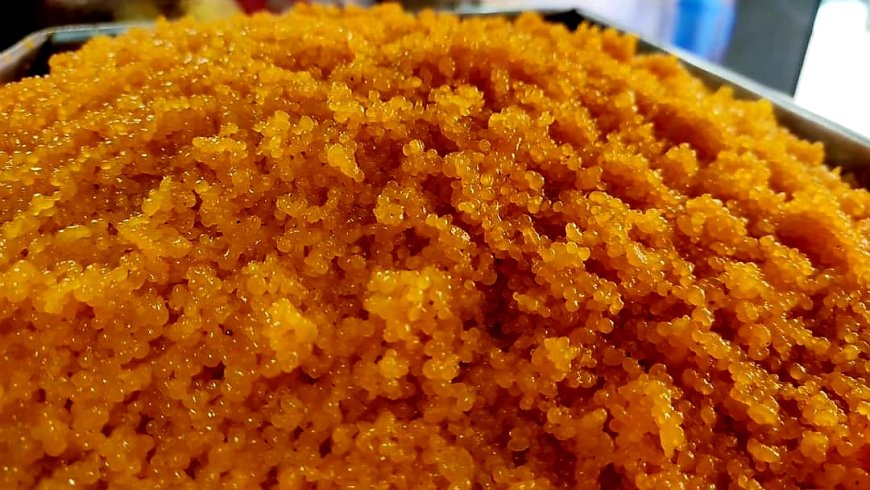
Mihidana, the jewel of Bengal’s sweet tradition, is a dessert that has been captivating taste buds for centuries. This delicate, golden treat is often described as the “miniature boondi,” but its rich history and unique preparation make it truly one of a kind. Originating from Bardhaman, West Bengal, mihidana has earned a Geographical Indication (GI) tag, making it not only a dessert but also a cultural emblem of the region.
The Legacy of Mihidana
Mihidana’s story dates back to the era of Maharaja Mahatabchand Bahadur of Bardhaman, who first introduced it as a royal dessert in the 19th century. Its name, derived from the words mihi (fine) and dana (grain), perfectly describes its tiny, golden grains that melt in the mouth. Today, it remains a must-have during festivals, weddings, and special occasions, carrying forward Bengal’s heritage in every spoonful.
What Makes Mihidana Special?
Unlike regular sweets, mihidana stands out for its texture and flavor. Made using the finest quality gram flour (besan), powdered rice, and ghee, the batter is blended with saffron or food-grade color to give it a rich golden hue. The mixture is then skillfully poured through a perforated ladle into hot ghee, forming tiny beads that are fried until crisp. These grains are later soaked in sugar syrup, ensuring every bite is sweet yet light on the palate.
The Art of Making Mihidana
Ingredients: Besan, powdered rice, ghee, saffron, sugar, and water.
Preparation:
The batter is prepared by mixing besan and powdered rice with water to achieve the right consistency.
This batter is passed through a sieve or perforated spoon into hot ghee, creating fine golden grains.
Once fried, the grains are immersed in warm sugar syrup for a short time to absorb sweetness.
Serving: Mihidana is usually enjoyed plain or paired with another classic sweet, sitabhog, for a double treat.
Why Mihidana is Loved Worldwide
Mihidana’s appeal lies in its simplicity, texture, and authentic flavor. It is lighter compared to many traditional sweets, making it a popular choice for those who love Indian desserts but prefer something less heavy. The sweet is also exported globally, finding fans in countries like the USA, UK, and the Middle East.
Health Tip
While mihidana is a sweet treat, it can be enjoyed in moderation as part of a balanced diet. For those conscious about sugar intake, opting for a mildly sweetened version is a good idea.
Conclusion
Mihidana is more than just a dessert; it’s a heritage sweet that reflects Bengal’s culinary artistry. Whether served during Durga Puja, a wedding feast, or as a token of love, this golden delicacy continues to hold a special place in Indian hearts and kitchens.
What's Your Reaction?