





The Rise of Herb Rice: A Flavorful Fusion of Tradition and Nutrition

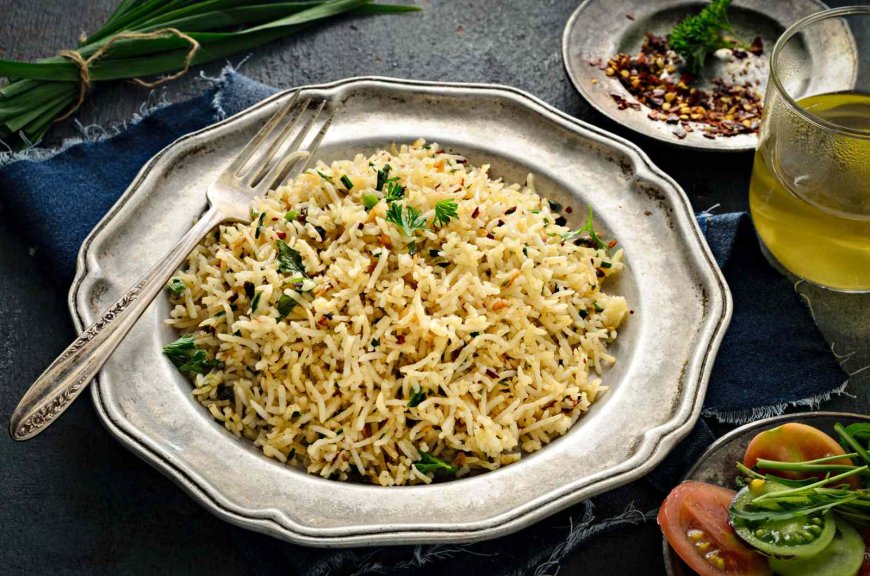
In kitchens around the world, a humble yet flavorful dish is quietly making a culinary comeback: herb rice. Long celebrated in various cultures for its aromatic depth and simplicity, herb rice is now finding new fans among health-conscious cooks and food lovers seeking fresh, natural flavors without the fuss.
Herb rice, as the name suggests, is rice infused with a blend of fresh or dried herbs. From Middle Eastern "sabzi polo" to Indian "hara pulao," and even Mediterranean-inspired versions with parsley and dill, the dish is as versatile as it is satisfying. But what’s behind its growing popularity?
A Global Staple with Local Twists
"Herb rice is one of those dishes that speaks to everyone," says Chef Laila Khan, a culinary instructor and food writer based in Toronto. "Every region has its own take—some add garlic and lemon, others include mint, cilantro, or even basil. It’s a base that adapts beautifully to what’s in season or what’s available locally."
This adaptability has made herb rice a go-to for home cooks looking to breathe life into simple meals. It pairs effortlessly with grilled vegetables, meats, or can stand alone as a hearty vegetarian option. The key lies in the balance of herbs, which bring not only vibrant color but a range of health benefits.
More Than Just Flavor
Modern nutritionists are also praising herb rice for its wellness potential. Fresh herbs like parsley, dill, mint, and coriander are rich in antioxidants, vitamins, and anti-inflammatory properties. When combined with whole grain rice or low-GI varieties like basmati or brown rice, the dish becomes a well-rounded option for maintaining energy and digestive health.
“It’s a smart way to introduce greens into your diet without feeling like you’re eating a salad,” notes dietitian Rachel Morgan. “You get fiber, flavor, and a boost of micronutrients in every bite.”
A Sustainable Choice
Another reason for the rise of herb rice is its sustainability. Herbs can often be grown at home in windowsill gardens, reducing the need for store-bought produce and cutting down on food waste. Leftover rice can easily be revived with a handful of chopped herbs and a splash of olive oil, making it an ideal option for minimizing kitchen waste.
Food bloggers and chefs alike have taken to social media to share their own spins, from turmeric-laced versions to rice cooked in herbal broths for added depth.
Bringing It to the Table
While recipes vary widely, the basic method remains simple: cook rice as usual, then fold in finely chopped herbs just before serving. Some versions call for a quick sauté of herbs in butter or oil to intensify the flavor, while others keep things raw and fresh.
Regardless of the method, herb rice is a dish that bridges cultures, tastes, and generations. It’s easy to prepare, endlessly customizable, and, most importantly, delicious.
As global food trends continue to embrace plant-forward, nutrient-rich meals, herb rice is proving that the simplest dishes often leave the most lasting impression.
What's Your Reaction?